ECEGEN Genetic Services
Cytogenetics
Karyotyping service for numeric and structural chromosomal evaluation.
Cytogenetics analyzes the structure and number of chromosomes and links chromosomal abnormalities to genetic diseases.
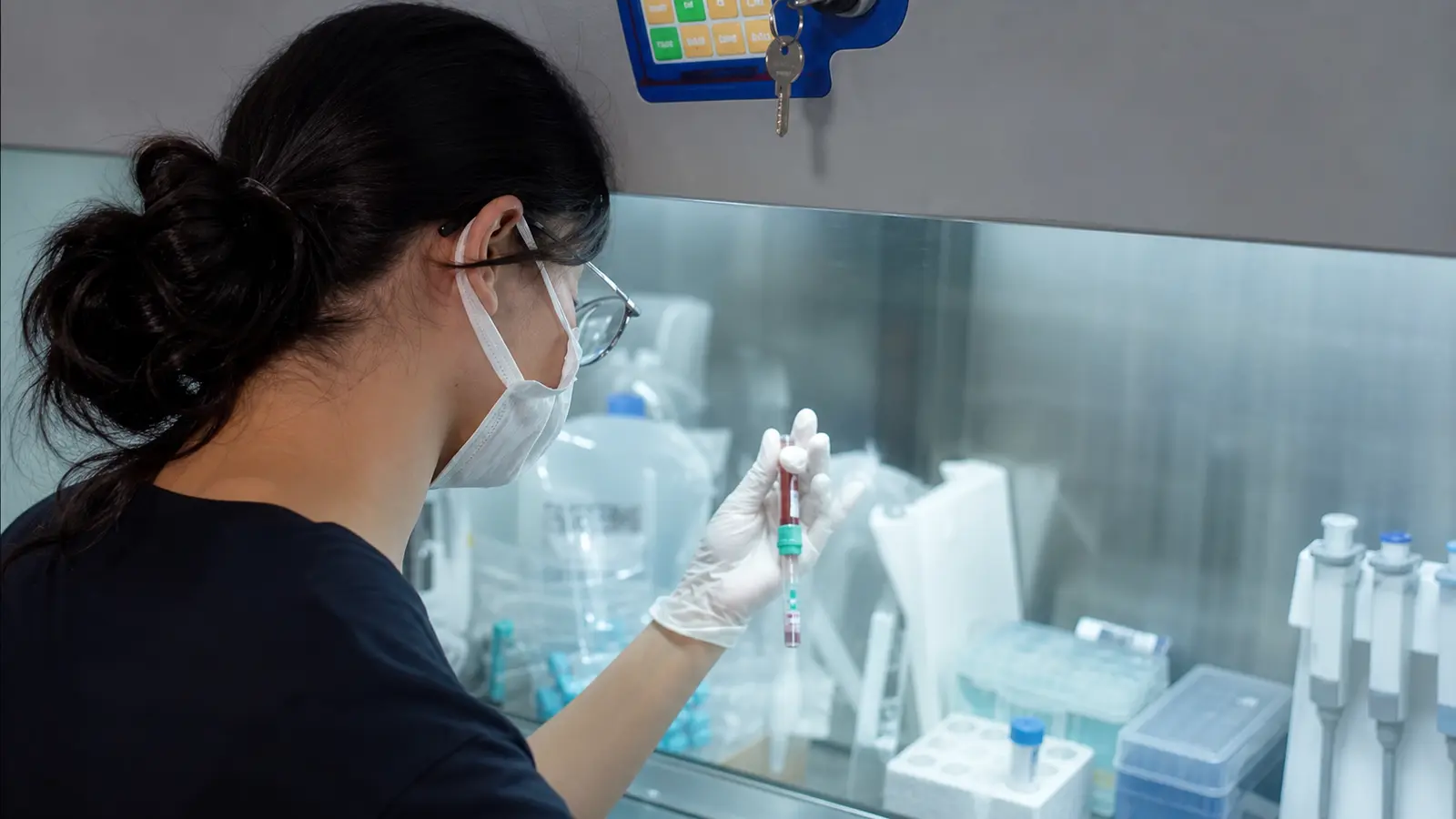
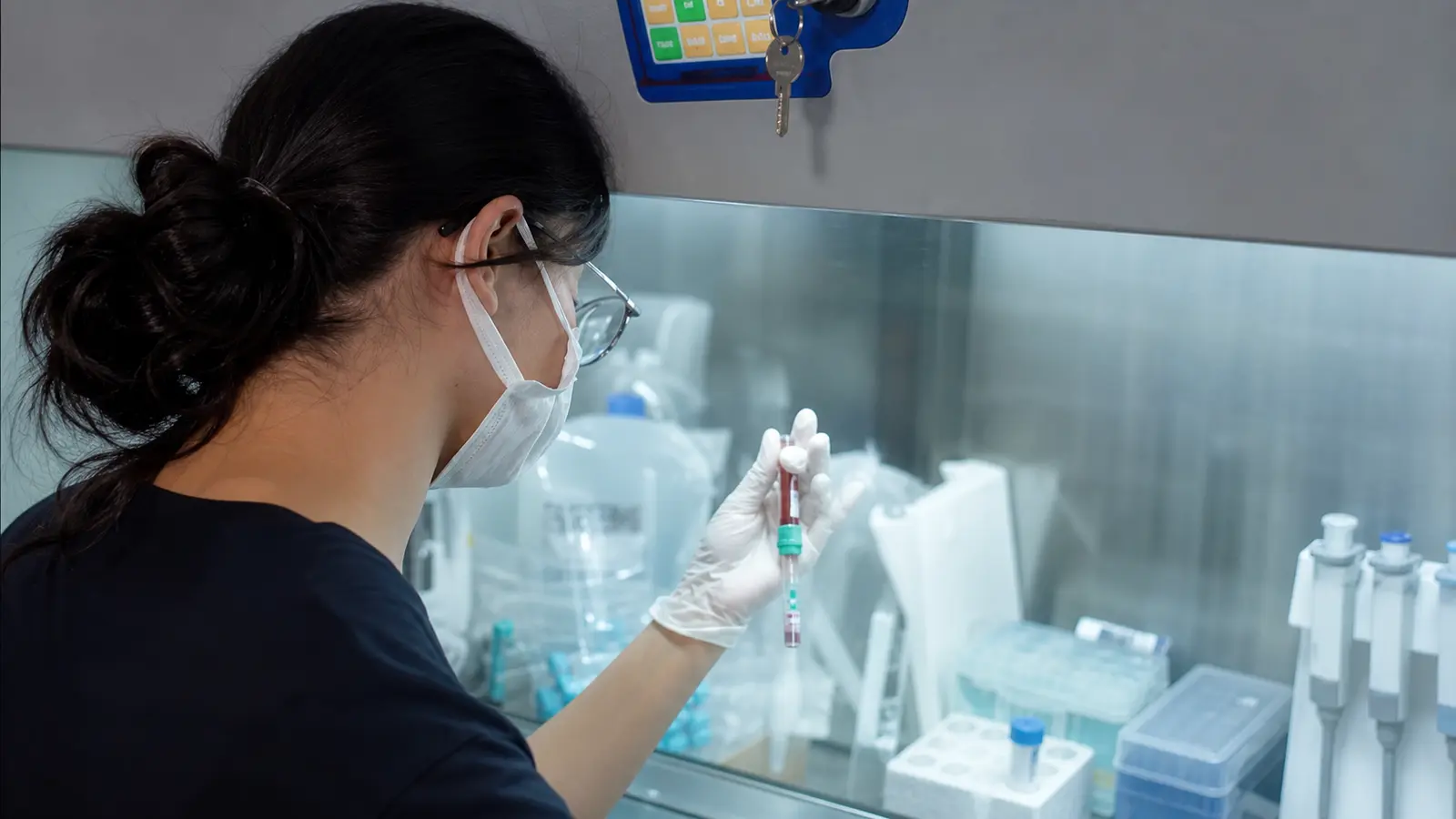
What Is Chromosome Analysis (Karyotype) Testing?
Karyotype testing analyzes the number, size, and structure of the 46 chromosomes in human somatic cells.
In Which Situations and for Whom Should Karyotype Analysis Be Performed?
- When findings associated with a genetically based syndrome are present
- When a high risk is detected in the baby during pregnancy follow-up
- In couples with recurrent pregnancy loss
- In couples with repeated failed IVF attempts
- In severe male infertility
- In young women with premature ovarian failure
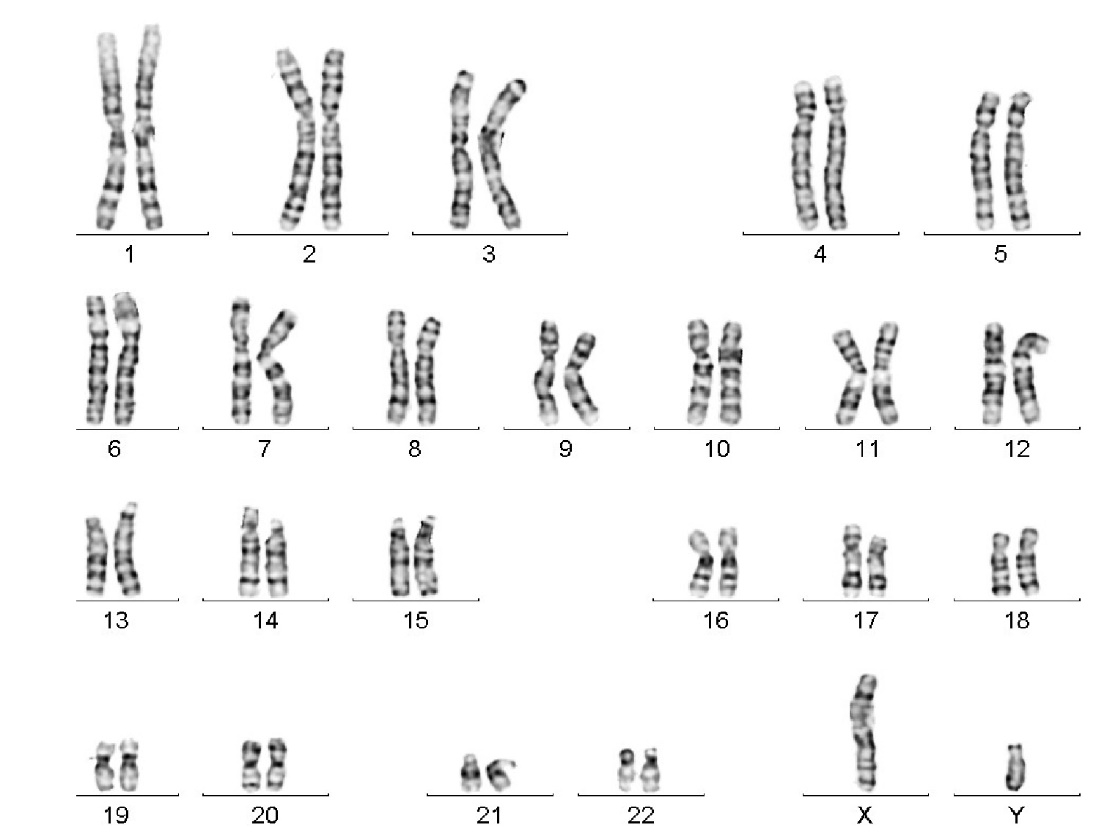
Numerical Chromosome Abnormalities
1. Down Syndrome
Down Syndrome is an example of a numerical chromosome abnormality. In Down syndrome, there are 3 copies of chromosome 21 instead of the normal 2 copies. An individual with 47 chromosomes exhibits moderate intellectual disability and physical developmental delays. While the prevalence in the general population is 1 in 800 live births, the likelihood of having a baby with Down syndrome increases with advancing maternal age in women over 35.
2. Turner Syndrome
Turner syndrome is a chromosomal abnormality affecting girls, arising from the absence of one of the sex chromosomes in a female. Individuals with Turner syndrome have a female phenotype but have 45 chromosomes and are infertile.
3. Klinefelter Syndrome
Also known as 47,XXY syndrome, this condition causes infertility due to the presence of an extra X chromosome.
Structural Chromosome Abnormalities
1. Translocation
Translocations lead to abnormalities resulting from the exchange of segments within or between chromosomes. There are two types: reciprocal and Robertsonian translocation. Because translocations can cause problems following meiosis, they may lead to early or late pregnancy loss, severe disease symptoms, or stillbirth.
- Reciprocal Translocation: Occurs as a result of segment exchange between two non-homologous chromosomes.
- Robertsonian Translocation: Occurs when one chromosome attaches to another chromosome.
2. Inversion
Inversion occurs when a segment within a chromosome breaks off, rotates 180 degrees, and reattaches to the same chromosome. Depending on whether the inverted segment includes the centromere region, it may be classified as paracentric or pericentric. Because inversions do not involve loss of genetic information as deletions do, their effects tend to be less pronounced.
3. Deletions
Deletions cause loss of genetic information at any location in the genome. They are among the leading causes of many abnormalities. Both macro- and microdeletions occur. Microdeletions can be detected by FISH.
Would you like to get information about this service or request a test?