

ECEGEN Genetic Services
Preimplantation Genetic Diagnosis (PGD)
Selection of healthy embryos through genetic testing during IVF.

What is PGD?
Preimplantation Genetic Diagnosis (PGD) is the process of testing embryos for genetic conditions during IVF and transferring only healthy ones to the mother.
Benefits of PGD
- Increases the success rate of IVF treatment.
- Increases clinical pregnancy rates.
- Reduces the risk of miscarriage.
- Reduces the need for medical termination of pregnancy.
- Decreases the rate of multiple pregnancies.
- Relieves the financial burden and psychological pressure of repeated failed IVF cycles.
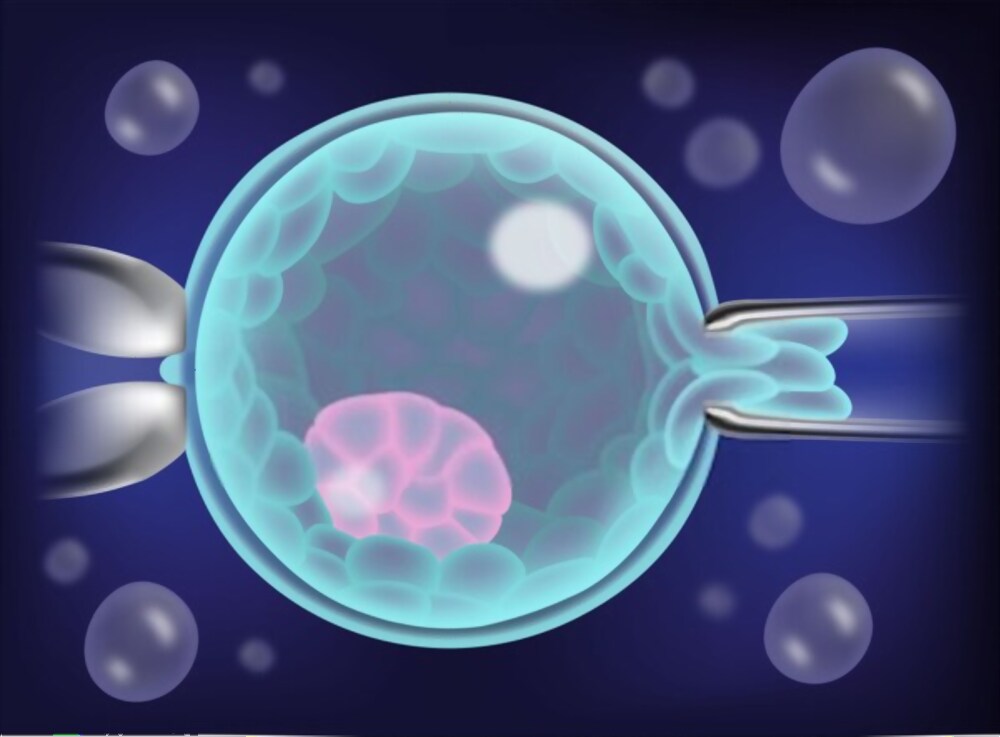
How Is the PGT Test Performed?
If a condition requiring PGT is present, the physician will recommend this test. On the third day, a biopsy is performed on the embryos and one or two cells are taken from each embryo. Genetic analysis is performed on these cells, and embryos found to be healthy are reported for transfer to the expectant mother.
Genetic test results for embryos can be obtained within 6–12 hours, depending on the method used. This period may be extended in special circumstances, such as when rehybridization or molecular testing methods are applied.
Reliability of Embryonic Biopsy and PGT
Preimplantation genetic diagnosis requires taking a cell sample from each of the patient's embryos. The source material reports an embryo damage rate of 0.3%, while the probability of an erroneous result, depending on the method used, is reported to range from 2–7%.
Who Should Have PGD?
- Expectant mothers aged 36 and above
- Couples who failed to achieve pregnancy after two or more IVF cycles
- Couples with recurrent early pregnancy loss
- Couples carrying balanced chromosomal translocations
- Couples at risk for single-gene disorders such as Familial Mediterranean Fever, Sickle Cell Anemia, Cystic Fibrosis, SMA
- Cases requiring HLA-compatible embryo selection for family members
- Couples who have a child with a genetic disease from previous pregnancies
- Mothers with a history of aneuploid pregnancy
- For cases of gonadal mosaicism
- TESE cases (severe male infertility cases)
- For those with an inadequate response to the ovarian stimulation protocol (poor responders)
- For couples at risk of an X-linked disease, in cases where direct genetic diagnosis of the disease is not possible and embryonic sex determination is required
PGT for Single-Gene Disorders
Single-gene disorders arise from the impaired function of units on DNA called genes. It is known that the likelihood of these disorders occurring increases when the spouses are consanguineous. For a significant proportion of single-gene disorders that can be diagnosed postnatally or prenatally, analysis can also be planned at the embryo stage.
PGT for single-gene disorders is based on DNA analysis of the cell obtained by biopsy. The source material provides examples such as Cystic Fibrosis, Alpha-1 Antitrypsin Deficiency, Retinitis Pigmentosa, Hemophilia A and B, Thalassemias, Alport syndrome, Gaucher disease, Tay-Sachs disease, Sickle Cell Anemia, Achondroplasia, Neurofibromatosis, Epidermolysis Bullosa, Myotonic Dystrophy, cancer predisposition, and Fanconi Anemia.
Our unit provides Preimplantation Genetic Diagnosis service to select healthy embryos for couples at risk of genetic diseases during IVF. These conditions include Thalassemia Major, HLA tissue typing, Sickle Cell Anemia, Spinal Muscular Atrophy (SMA), and Congenital Deafness.
Would you like to get information about this service or request a test?