
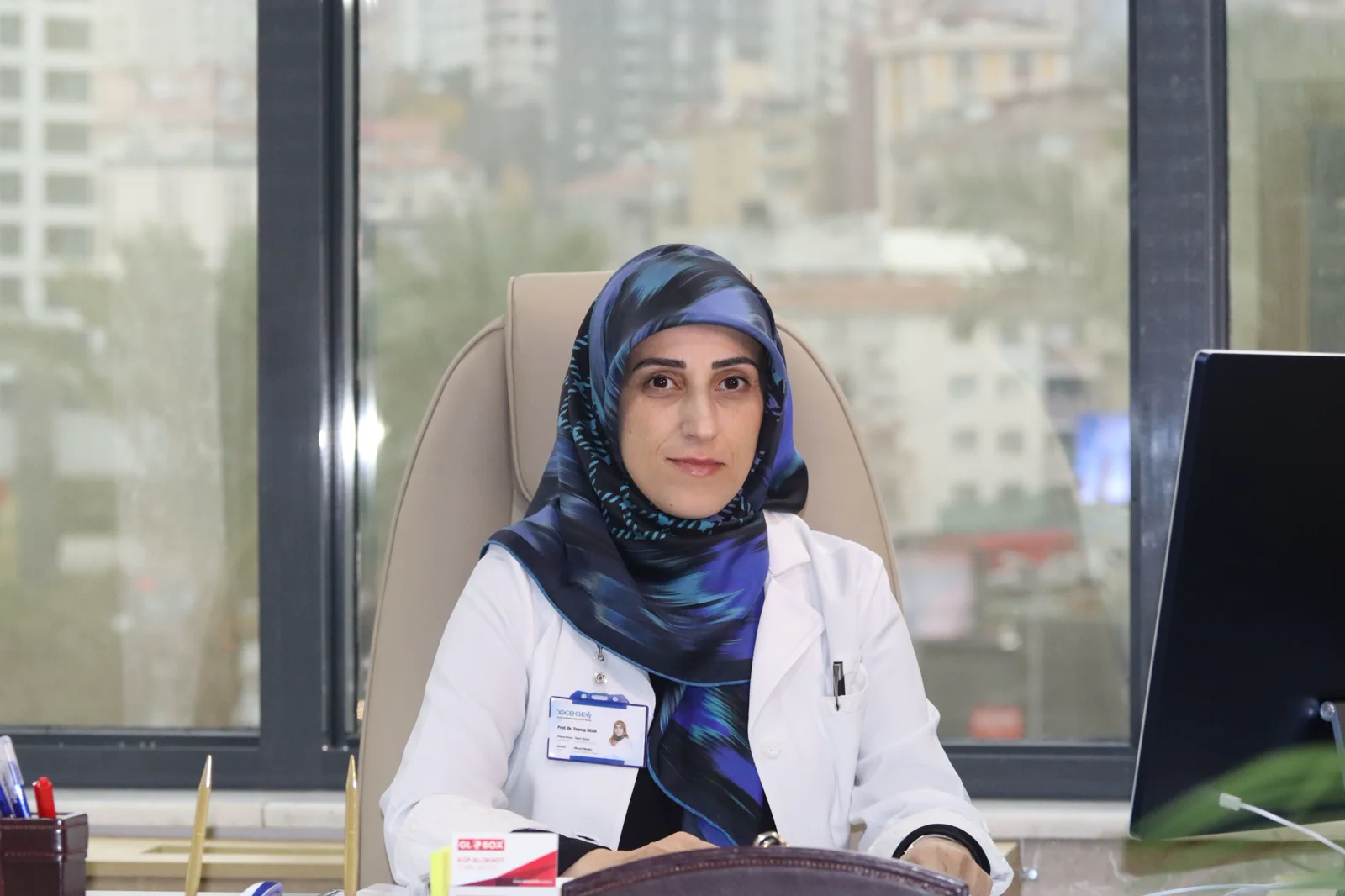
Medical Genetics Specialist Prof. Dr. Zeynep Ocak emphasized that genetic profiling directly impacts treatment success in chronic conditions, noting that identifying genetic markers provides vital advantages for early diagnosis, close clinical monitoring, and timely interventions.
Highlighting that comprehensive genetic analyses enable scientific prediction of long-term health trajectories, Prof. Dr. Ocak noted that DNA profiling now reveals not only inherited disorders, but also how the body metabolizes drugs, which therapies will be most effective, and prospective health risks well in advance.
Personalized Medicine via Pharmacogenetics
Prof. Dr. Ocak explained that pharmacogenetics makes it possible to determine the most effective active ingredient and exact dosage tailored to an individual's unique genetic blueprint:
The Role of Genetic Predisposition in Preventive Care
Pointing out that conditions such as hypertension, diabetes, migraines, and cardiovascular diseases are multifactorial, Prof. Dr. Ocak underscored that identifying genetic predisposition early is of paramount importance for preventive medicine:
Cardiovascular Risks & Neurological Markers
Ocak explained that genetic testing elucidates hereditary risks of thrombophilia (clotting tendency), dysregulated lipid metabolism, and myocardial weakness at the molecular level, while also addressing complex neurological conditions like Alzheimer's and Huntington's disease.
While lifestyle interventions cannot entirely eliminate neurological disease risks, she noted that identifying genetic markers provides an invaluable window for early diagnosis, specialized monitoring, and timely clinical intervention.
Personalized Nutrition, Vitamin Metabolism & Skin Vitality
Reiterating that varied responses to identical diet or exercise plans stem from genetic individuality, Prof. Dr. Zeynep Ocak explained that genes govern energy utilization, fat storage, muscle composition, and vitamin metabolism: