
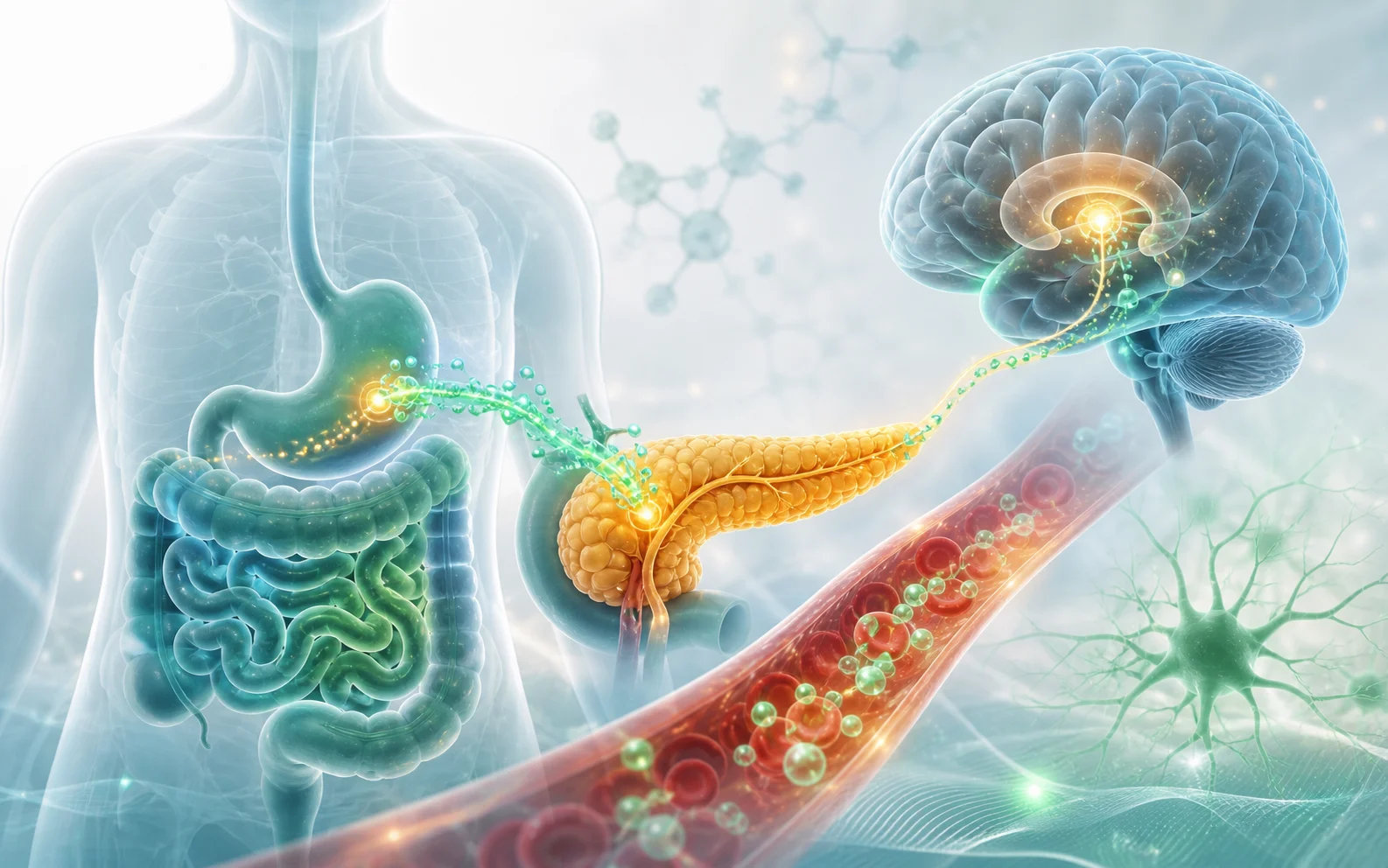
Some medicines popularly called “weight-loss injections” mimic the effects of GLP-1, a hormone naturally produced by the body. They can act on appetite centers in the brain and the digestive system to help people feel full longer, while also supporting insulin release and blood glucose control.
Who Might They Be Considered For?
These medicines are not short-term cosmetic weight-loss products. The World Health Organization says appropriate GLP-1 therapies may be considered as part of long-term, comprehensive care for adults living with obesity. A healthcare professional should make that decision after considering the person's health, other conditions, and circumstances such as pregnancy.
Are Medicines Enough on Their Own?
Treatment is planned alongside a balanced diet, physical activity, sleep, and behavioral support when needed. Weight can return after treatment is stopped. The goal is therefore sustainable health improvement and regular clinical follow-up, not a rapid result.
Side Effects and the Risk of Online Products
Digestive symptoms such as nausea, vomiting, diarrhea, or constipation may occur. Medicine choice, dose, and monitoring must be individualized by a clinician. The European Medicines Agency also warns that falsified or unauthorized products may be sold online and through social media; prescription medicines should come only from lawful healthcare channels.
The Takeaway
For appropriately selected patients, GLP-1 medicines can be a useful option in obesity care when paired with regular monitoring. They are not an effortless solution for everyone; benefits, risks, access, and the long-term plan must be considered together.